From SaaS dependency to strategic design: replacing Monday.com with a custom workflow solution
From SaaS dependency to strategic design: replacing Monday.com with a custom workflow solution
🚀 Impact Highlights
I led the strategic UX transformation of a B2B workflow management system for a digital production company. Through systematic discovery and aphantasia-enhanced process mapping, I identified critical operational bottlenecks and designed a solution that would eliminate R$36k in annual SaaS costs while streamlining cross-team collaboration. The design system foundations I established have remained actively used across multiple company initiatives for 4+ years, demonstrating lasting strategic value beyond the initial project scope.
🚀 Impact Highlights
I led the strategic UX transformation of a B2B workflow management system for a digital production company. Through systematic discovery and aphantasia-enhanced process mapping, I identified critical operational bottlenecks and designed a solution that would eliminate R$36k in annual SaaS costs while streamlining cross-team collaboration. The design system foundations I established have remained actively used across multiple company initiatives for 4+ years, demonstrating lasting strategic value beyond the initial project scope.

Project Summary
Project Summary
I was hired by a digital production company to design a fully custom project management platform that would replace Monday.com, reduce $36k in annual licensing costs, and improve cross-team productivity. Over three months, I led an end-to-end UX strategy (from discovery to delivery) focused on aligning the solution with real workflow behaviors rather than generic tool paradigms.
What: Custom project management platform designed from scratch using Design Thinking methodology
Who: Digital production agency with three distinct user types: Account Managers, Project Managers, and Creative Team
When: October–December 2021 (3-month structured design engagement)
How: Solo Product Designer leading comprehensive discovery, systematic workflow analysis, and strategic design system creation
Why: Eliminate R$3,000/month Monday.com expense while solving fundamental cross-team collaboration inefficiencies
I was hired by a digital production company to design a fully custom project management platform that would replace Monday.com, reduce $36k in annual licensing costs, and improve cross-team productivity. Over three months, I led an end-to-end UX strategy (from discovery to delivery) focused on aligning the solution with real workflow behaviors rather than generic tool paradigms.
What: Custom project management platform designed from scratch using Design Thinking methodology
Who: Digital production agency with three distinct user types: Account Managers, Project Managers, and Creative Team
When: October–December 2021 (3-month structured design engagement)
How: Solo Product Designer leading comprehensive discovery, systematic workflow analysis, and strategic design system creation
Why: Eliminate R$3,000/month Monday.com expense while solving fundamental cross-team collaboration inefficiencies
The Business Challenge
The Business Challenge
The company faced systematic workflow inefficiencies that were undermining competitive agility and team productivity. Their Monday.com implementation had evolved into an expensive workaround system that created more organizational friction than value.
Leadership needed a systematic solution that would eliminate the recurring SaaS expense while fundamentally improving how teams collaborate and deliver client value, a common challenge in scaling service organizations.
The company faced systematic workflow inefficiencies that were undermining competitive agility and team productivity. Their Monday.com implementation had evolved into an expensive workaround system that created more organizational friction than value.
Leadership needed a systematic solution that would eliminate the recurring SaaS expense while fundamentally improving how teams collaborate and deliver client value, a common challenge in scaling service organizations.
Strategic business challenges
Strategic business challenges
R$3,000/month SaaS expense
R$3,000/month SaaS expense
for a tool that required costly workarounds and reduced team efficiency
for a tool that required costly workarounds and reduced team efficiency
Fragmented task management
Fragmented task management
No dedicated task fields forced creation of separate projects per team member, scattering deliverables across disconnected boards
No dedicated task fields forced creation of separate projects per team member, scattering deliverables across disconnected boards
Information architecture chaos
Information architecture chaos
Critical project data (file links, timelines, briefings, etc.) mixed together in generic comment fields, creating cognitive overhead and execution delays
Critical project data (file links, timelines, briefings, etc.) mixed together in generic comment fields, creating cognitive overhead and execution delays
Scalability constraints
Scalability constraints
Account managers, project managers, and creative teams couldn't effectively track delivery progress across fragmented project structures
Account managers, project managers, and creative teams couldn't effectively track delivery progress across fragmented project structures
Cross-functional visibility gaps
Cross-functional visibility gaps
Each new team member required additional Monday.com licenses, with workflow complexity increasing exponentially
Each new team member required additional Monday.com licenses, with workflow complexity increasing exponentially
My Role & Design Strategy
My Role & Design Strategy
As the sole Product Designer, I applied the Design Thinking methodology to structure the complete product strategy from research to delivery. My approach leveraged systematic observation and logical process mapping, to uncover workflow inefficiencies that traditional interview-only methods often miss.
Key responsibilities:
Discovery strategy: Designed and executed comprehensive research including semi-structured interviews and behavioral shadowing across three distinct user types
Information architecture: Mapped complex multi-departmental workflows (account management, project coordination, creative production) and designed intuitive task hierarchies
Interaction design: Created end-to-end user flows optimized for cross-functional collaboration
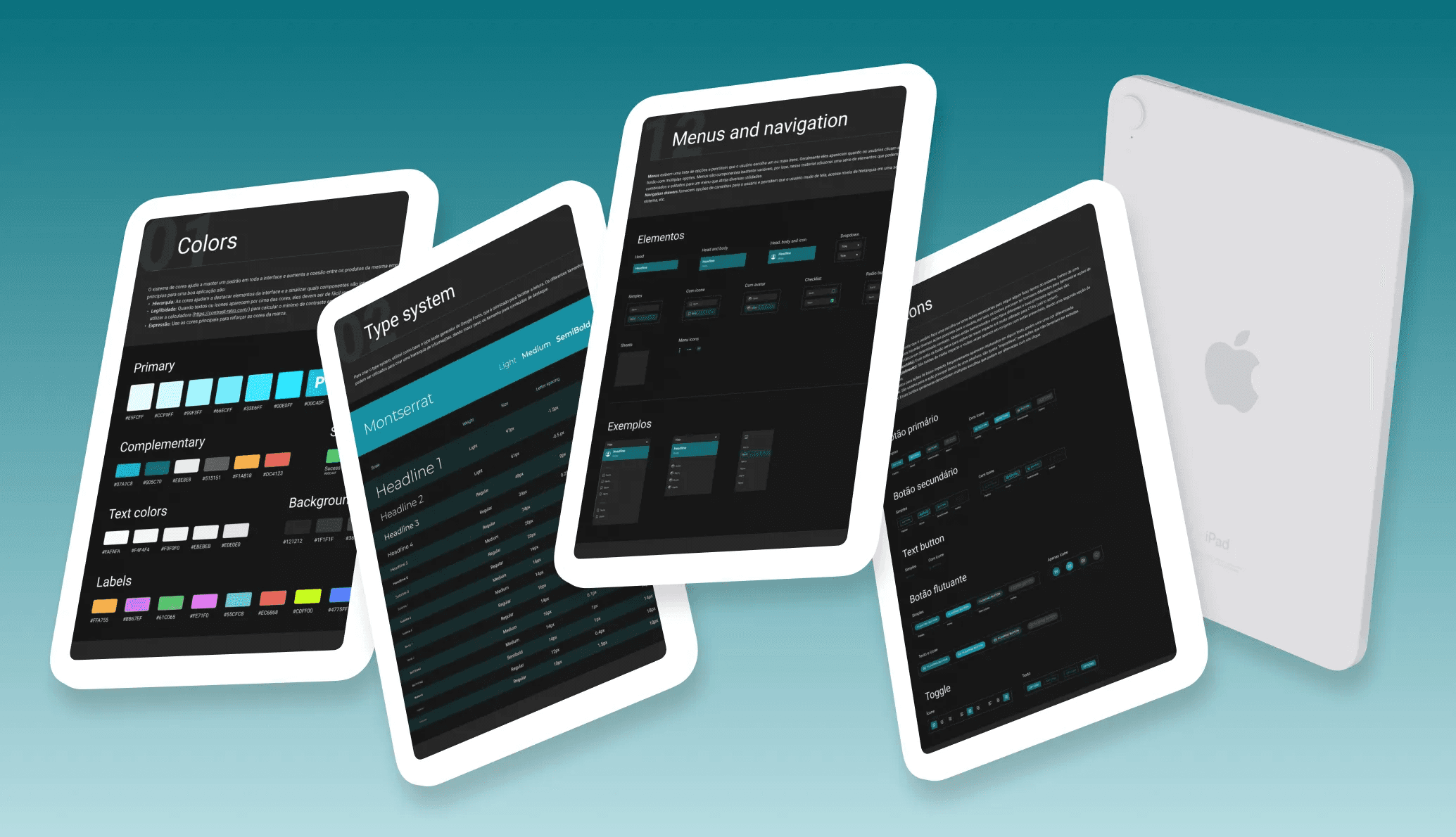
System design: Built complete design system, style guide, and component library for organizational scalability
Validation strategy: Structured usability testing protocol using Nielsen's principles (6 participants to uncover 80% of usability issues)
Strategic methodology: I followed the Design Thinking framework (Empathy → Definition → Ideation → Testing → Prototyping) to ensure systematic problem-solving. My aphantasia-driven approach to processing workflows through explicit logical structures rather than visual assumptions helped identify systematic inefficiencies that others had unconsciously worked around.
As the sole Product Designer, I applied the Design Thinking methodology to structure the complete product strategy from research to delivery. My approach leveraged systematic observation and logical process mapping, to uncover workflow inefficiencies that traditional interview-only methods often miss.
Key responsibilities:
Discovery strategy: Designed and executed comprehensive research including semi-structured interviews and behavioral shadowing across three distinct user types
Information architecture: Mapped complex multi-departmental workflows (account management, project coordination, creative production) and designed intuitive task hierarchies
Interaction design: Created end-to-end user flows optimized for cross-functional collaboration
System design: Built complete design system, style guide, and component library for organizational scalability
Validation strategy: Structured usability testing protocol using Nielsen's principles (6 participants to uncover 80% of usability issues)
Strategic methodology: I followed the Design Thinking framework (Empathy → Definition → Ideation → Testing → Prototyping) to ensure systematic problem-solving. My aphantasia-driven approach to processing workflows through explicit logical structures rather than visual assumptions helped identify systematic inefficiencies that others had unconsciously worked around.
Key Design Decisions
Key Design Decisions
Structured Information Architecture Over Generic Fields
My systematic approach became crucial when decomposing the chaotic comment field system. Instead of relying on visual mental models, I built explicit data field hierarchies for briefings, timelines, client information, and file links. This logical framework eliminated information hunting and reduced cognitive load during task execution.
Unified Task Management System
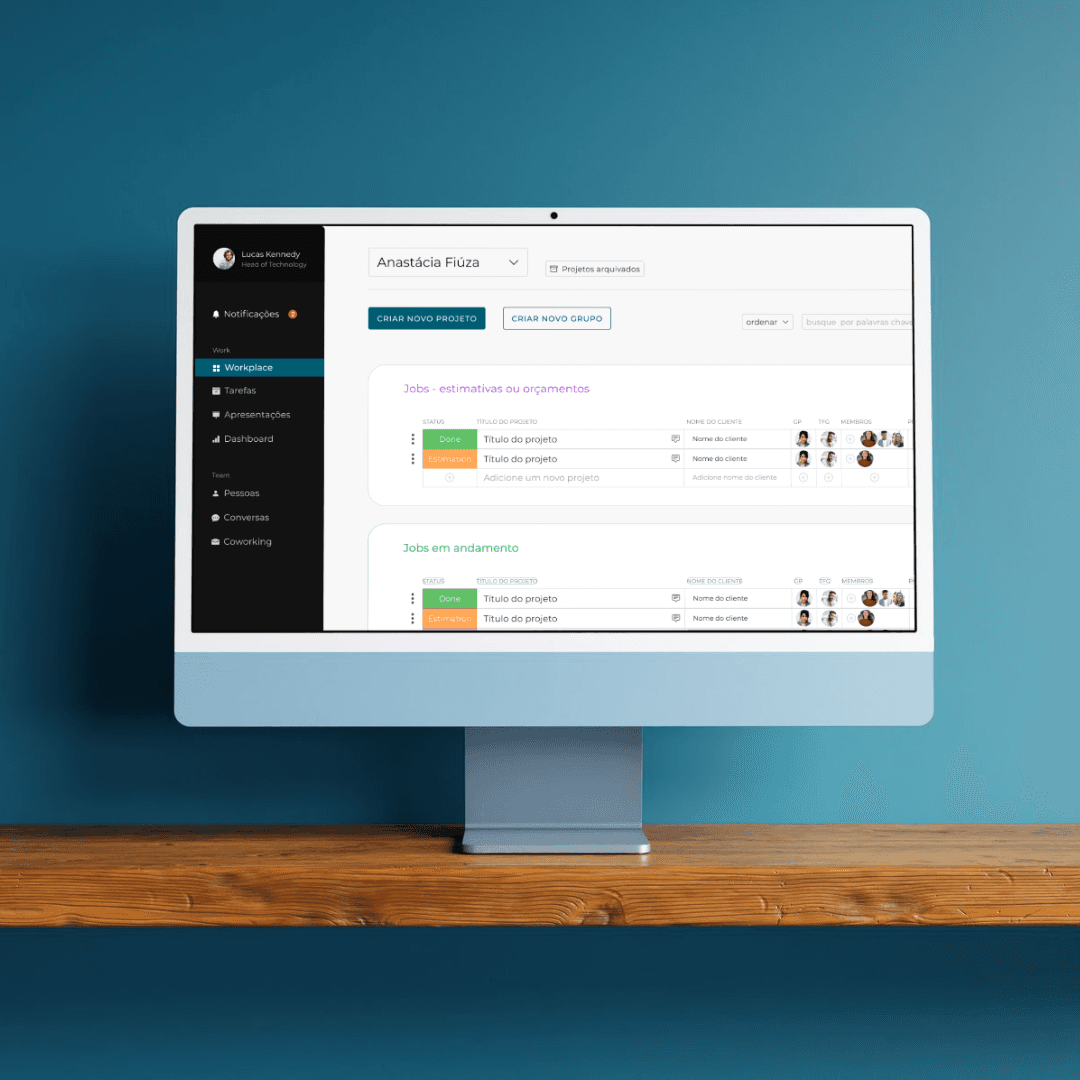
Rather than forcing separate projects per collaborator (Monday.com workaround), I designed a centralized hierarchical task architecture where projects contain tasks with clear ownership, deadlines, and progress tracking. This eliminated delivery fragmentation and improved cross-team visibility—critical for scaling service organizations.
Multi-User Workflow Integration
Based on shadowing insights across three user types, I designed role-specific interface views that surface contextually relevant information while maintaining systematic data consistency. Account managers see client interaction tools, project managers access delivery oversight dashboards, and creatives focus on production task details.
Systematic Design Standards for Organizational Scalability
I developed a comprehensive design system incorporating the company's existing brand identity while establishing scalable web application standards. This included component libraries, style guides, and interaction patterns designed for long-term organizational efficiency and future product expansion.
Structured Information Architecture Over Generic Fields
My systematic approach became crucial when decomposing the chaotic comment field system. Instead of relying on visual mental models, I built explicit data field hierarchies for briefings, timelines, client information, and file links. This logical framework eliminated information hunting and reduced cognitive load during task execution.
Unified Task Management System
Rather than forcing separate projects per collaborator (Monday.com workaround), I designed a centralized hierarchical task architecture where projects contain tasks with clear ownership, deadlines, and progress tracking. This eliminated delivery fragmentation and improved cross-team visibility—critical for scaling service organizations.
Multi-User Workflow Integration
Based on shadowing insights across three user types, I designed role-specific interface views that surface contextually relevant information while maintaining systematic data consistency. Account managers see client interaction tools, project managers access delivery oversight dashboards, and creatives focus on production task details.
Systematic Design Standards for Organizational Scalability
I developed a comprehensive design system incorporating the company's existing brand identity while establishing scalable web application standards. This included component libraries, style guides, and interaction patterns designed for long-term organizational efficiency and future product expansion.
Some of the deliverables
Fully navigable high-fidelity prototype in Figma
Custom design system with tokens, UI components, and visual guidelines
Full workflow architecture diagram
Interactive presentation with a walkthrough of platform features and value proposition
Some of the deliverables
Fully navigable high-fidelity prototype in Figma
Custom design system with tokens, UI components, and visual guidelines
Full workflow architecture diagram
Interactive presentation with a walkthrough of platform features and value proposition
Validation & Projected Impact
Validation & Projected Impact
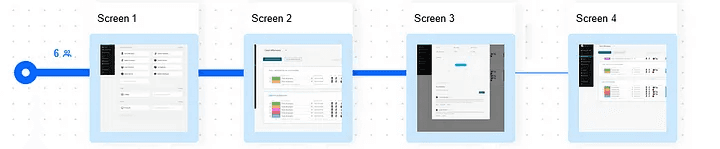
Usability Testing Results (Maze + Figma, 6 participants)
Task | Success | Bounce |
|---|---|---|
Create a new project | 100% | 0% |
Duplicate and move project | 83.3% | 16.7% |
Create a new task | 100% | 0% |
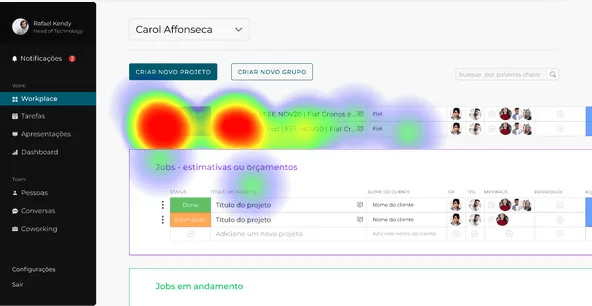
We also analyzed misclicks and interaction errors to fine-tune navigation, terminology, and UI patterns.
Usability Testing Results (Maze + Figma, 6 participants)
Task | Success | Bounce |
|---|---|---|
Create a new project | 100% | 0% |
Duplicate and move project | 83.3% | 16.7% |
Create a new task | 100% | 0% |
We also analyzed misclicks and interaction errors to fine-tune navigation, terminology, and UI patterns.
Projected Business Impact:
R$36,000 annual savings from eliminated Monday.com licensing fees (R$3,000/month)
11-month ROI projection based on R$33,000 development investment vs. recurring savings
>80% task completion rate target through optimized user flows
<10% bounce rate goal to minimize workflow abandonment
Projected Business Impact:
R$36,000 annual savings from eliminated Monday.com licensing fees (R$3,000/month)
11-month ROI projection based on R$33,000 development investment vs. recurring savings
>80% task completion rate target through optimized user flows
<10% bounce rate goal to minimize workflow abandonment
Long-term Design Impact:
While the platform wasn't ultimately implemented due to shifting business priorities, the design system and style guide I created became foundational organizational assets. As of 2025 (4+ years later), the company continues actively using these design standards across multiple digital initiatives, demonstrating lasting strategic value beyond the original project scope.
Long-term Design Impact:
While the platform wasn't ultimately implemented due to shifting business priorities, the design system and style guide I created became foundational organizational assets. As of 2025 (4+ years later), the company continues actively using these design standards across multiple digital initiatives, demonstrating lasting strategic value beyond the original project scope.
What I Learned
What I Learned
Design Thinking methodology scales complex B2B challenges effectively. The structured Empathy → Definition → Ideation → Testing → Prototyping approach provided systematic problem-solving framework that prevented scope creep and ensured user-centered solutions throughout the project lifecycle.
Behavioral shadowing reveals unconscious workflow adaptations. Screen recording complete user journeys exposed systematic workarounds that interview subjects couldn't articulate. Teams had unconsciously developed inefficient processes to compensate for tool limitations, insights critical for identifying automation opportunities in future B2B/SaaS design work.
Aphantasia enhances systematic workflow analysis. My logical processing approach helped decompose complex multi-user workflows into explicit structural relationships. This systematic mapping revealed inefficiencies that visual-intuitive design methods often miss, proving especially valuable for enterprise software where process clarity trumps aesthetic appeal.
Comprehensive design systems deliver compound organizational value. Creating complete style guides, component libraries, and design standards generated 4+ years of organizational ROI across multiple company initiatives, demonstrating how strategic design thinking creates lasting competitive advantages beyond individual project outcomes.
Nielsen-based usability testing provides scalable validation confidence. Using structured 6-participant testing (80% issue discovery rate) with specific task scenarios generated quantifiable validation that stakeholders could trust for development investment decisions—methodology directly applicable to FinTech/SaaS validation challenges.
Design Thinking methodology scales complex B2B challenges effectively. The structured Empathy → Definition → Ideation → Testing → Prototyping approach provided systematic problem-solving framework that prevented scope creep and ensured user-centered solutions throughout the project lifecycle.
Behavioral shadowing reveals unconscious workflow adaptations. Screen recording complete user journeys exposed systematic workarounds that interview subjects couldn't articulate. Teams had unconsciously developed inefficient processes to compensate for tool limitations, insights critical for identifying automation opportunities in future B2B/SaaS design work.
Aphantasia enhances systematic workflow analysis. My logical processing approach helped decompose complex multi-user workflows into explicit structural relationships. This systematic mapping revealed inefficiencies that visual-intuitive design methods often miss, proving especially valuable for enterprise software where process clarity trumps aesthetic appeal.
Comprehensive design systems deliver compound organizational value. Creating complete style guides, component libraries, and design standards generated 4+ years of organizational ROI across multiple company initiatives, demonstrating how strategic design thinking creates lasting competitive advantages beyond individual project outcomes.
Nielsen-based usability testing provides scalable validation confidence. Using structured 6-participant testing (80% issue discovery rate) with specific task scenarios generated quantifiable validation that stakeholders could trust for development investment decisions—methodology directly applicable to FinTech/SaaS validation challenges.
Let's work together
Open to the right remote opportunities. If you're building something complex and need a designer who can hold the full picture, let's talk.